All Categories
Featured


Optimizing Digital Innovation Cycles for Agility
Table of Contents
If the group does not comprehend why changes are happening, peaceful resistance will follow. Successful application is about managing progressive modifications in everyday routines.
When preliminary outcomes appear, there is a strong temptation to stop. And this is the moment that determines the company's future. Transformation is a new operating model, and it just truly works when it stops being perceived as something different or short-term. What matters at this stage: Not in general regards to "worked or didn't work," but change by modification: effect on speed, costs, mistakes, sales, and customer fulfillment.
If new guidelines are not working, they need to be altered. Flexibility matters more than rigid adherence to the initial strategy. The objective of this phase is to move the logic of modification to teams and embed it into functional thinking. If modifications worked in one system, they can be scaled.
This is the minute when digital modification stops being a project and ends up being part of everyday operations. Companies frequently approach us after they have already started change but got stuck along the way.
Here are five common situations that weaken even the very best intents: The business does not fully comprehend why and what it is transforming. It joined a job, bought something brand-new, perhaps even launched it. There is motion, however no instructions. What to do: begin with a concrete business medical diagnosis. Clearly define what should alter and how it will be determined.
Scalable Infrastructure for Next-Gen Tech Transformation
A CRM is purchased, analytics are established, a chatbot is launched and that's it. The group continues to work as in the past, without any modifications in culture, processes, or management. In this case, brand-new tools end up being expensive decors. What to do: even the very best system is useless if the team does not comprehend how to use it daily.
Groups working on transformation between other jobs seldom reach outcomes. What to do: assign a dedicated team, resources, and time.
A company can change processes, however if individuals do not rely on the system, withstand modification, or continue working out of practice, failure is almost guaranteed. What to do: include crucial people early. Explain the logic behind modifications, make sure transparent communication, and create an environment where it is safe to make errors, experiment, and adapt.
Maximizing Corporate Innovation Output for Cloud Tech
If the goal is to accelerate sales, measuring the number of meetings held makes little sense. Listed below, we will examine 4 categories of metrics that ought to remain in focus.
The variety of systems through which a single deal passes (the fewer, the better). These metrics show how close your operations are to an automated, quick, and scalable model. CAC (Consumer Acquisition Expense) the expense of drawing in a client. Average check or margin of the transaction. ROI of transformational initiatives, for instance, for every $1 invested, $1.80 in outcomes was attained.
Future Enterprise Innovation Trends and Digital StrategyPortion of repeat purchases or contract renewals. Variety of support ask for common issues (if it does not decrease, the changes are not working). Time required to get reportsNumber of incorporated information sourcesThe percentage of choices made based on data rather than presumptions. This can be measured through group studies.
Strategic Roadmaps for Managing Global Hubs
Successful transformation is when it becomes clear what works best, where, and why. In practice, everything is always more intricate: spending plans are limited, groups are overwhelmed, and technologies are not always simple to comprehend. That is why it is very important to look not only at theory, however likewise at genuine cases where companies from different industries handled to go through improvement and attain quantifiable results.
If the goal is to speed up sales, measuring the number of meetings held makes little sense. Below, we will examine 4 categories of metrics that need to stay in focus.
The number of systems through which a single deal passes (the fewer, the better). These metrics show how close your operations are to an automated, quickly, and scalable model.
Shortening Innovation Workflows in Large Enterprises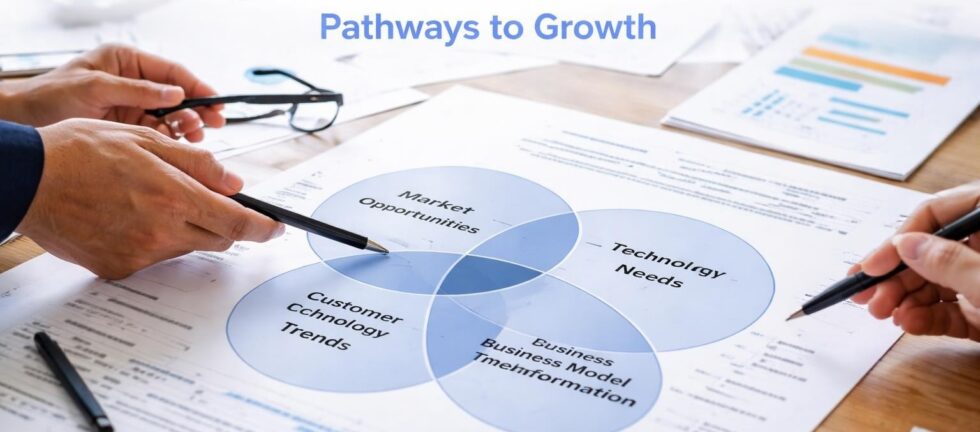
Percentage of repeat purchases or contract renewals. Variety of assistance ask for normal issues (if it does not decrease, the modifications are not working). Time needed to receive reportsNumber of integrated data sourcesThe proportion of choices made based upon information instead of assumptions. This can be measured through group studies.
Building Robust Enterprise Hubs for 2026
Successful improvement is when it becomes clear what works best, where, and why. In practice, everything is always more complicated: spending plans are restricted, groups are strained, and innovations are not always easy to understand. That is why it is very important to look not just at theory, but also at genuine cases where business from various markets managed to go through change and achieve measurable outcomes.

Latest Posts

Expert Perspectives On Running Cloud Hubs

The 2026 Roadmap to Enterprise Transformation Growth

Mastering Next-Gen Technology Innovation Cycles for 2026